Unlocking Efficiency: The Promise of Flexible Robot Arms in Modern Manufacturing
I’ve seen it time and again — businesses struggling with inefficiencies in production lines. With market demands constantly evolving, data suggests that companies using flexible robot arms can enhance productivity by over 30%. But here’s the kicker: can your factory adapt quickly enough to leverage this technology? Flexible robot arms are shifting the paradigm of automation. In an era where manufacturing robots for sale promise untapped potential, taking a closer look at traditional methods reveals some glaring flaws.
Understanding Traditional Flaws
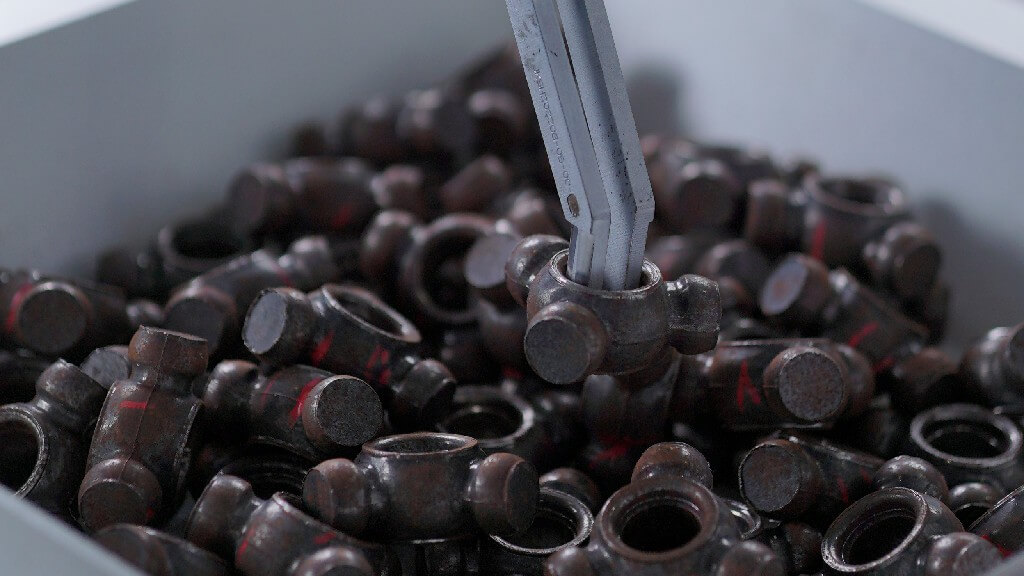
Let’s be real. Traditional fixed automation methods have their merits, but they also come with serious limitations — like lack of adaptability and inefficiency in handling varied tasks. I remember the frustrating days at my former engineering company where we had to halt production just to switch tooling for a different product. It’s tedious and expensive. This is where flexible robot arms shine. They excel in dynamic environments, easily reprogrammed for diverse applications, which allows seamless shifts between tasks. Talk about saving time!
What’s Next for Flexible Robot Arms?
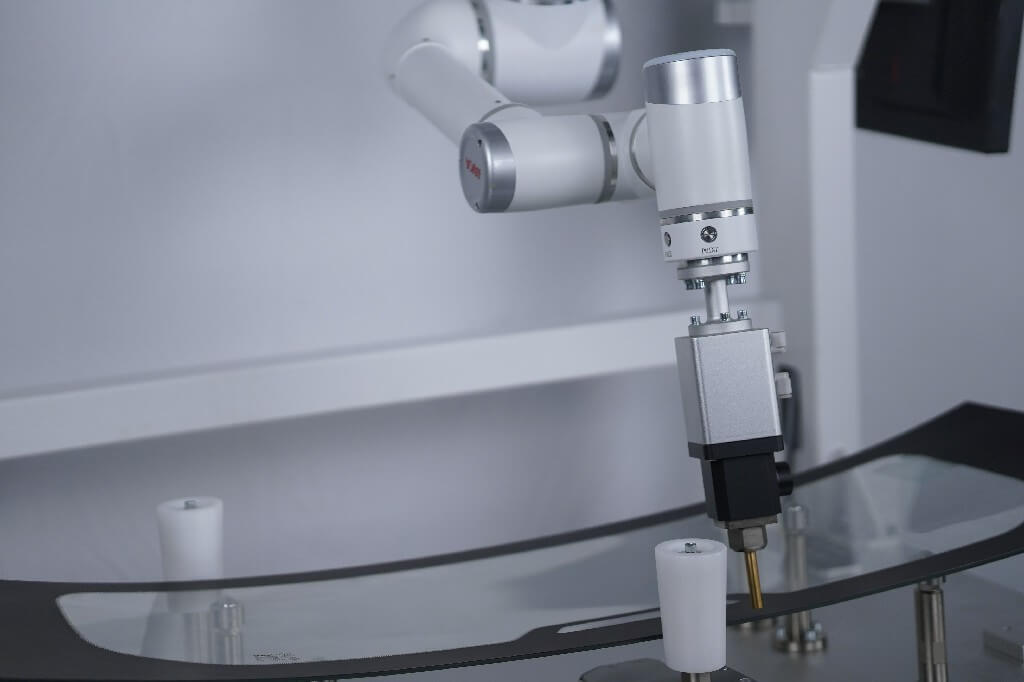
Looking ahead, I can’t help but feel excited about the prospects for flexible robot arms. These devices are set to redefine what we consider normal in manufacturing processes. We are already witnessing companies pivoting from traditional fixed solutions to adaptable options — that’s where those highly dynamic manufacturing robots for sale come into play. When firms invest in such technology, they not only automate labor-intensive processes but also set themselves up for faster response times to market shifts. Isn’t it time for your operation to rethink its approach?
Real-world Impact of Arbitration in Robotics
The real-world impact is staggering. For instance, businesses integrating flexible robots have seen an uptick in production efficiency by nearly 50% within six months of implementation — I witnessed an automotive supplier make this leap in early 2022. They replaced three fixed setups with a flexible system, cutting costs and reducing lead times significantly. This shift isn’t just about automating tasks; it’s about transforming how we think about production altogether.
Closing Thoughts: Embracing the Future
As I wrap this up, I want to leave you with a thought: efficiency is no longer a buzzword; it’s the backbone of sustainable growth in manufacturing. Choosing the right solution involves evaluating adaptability, ease of integration, and ROI. I believe anyone serious about staying competitive should keep a close eye on emerging technologies—especially flexible robot arms. As we’ve seen, those who adapt early thrive. So why not jump on board? It’s a no-brainer. For further exploration into top-of-the-line solutions, take a look at JAKA. Your production could drastically change for the better!